
Culture & Journeys
You’ve Heard the Music. What Happens When You Go Where It Came From?
The Rolling Stones went to Chicago. Elvis made Memphis part of his legend. Louis Armstrong carried New Orleans to the world. Following them makes an appealing holiday itinerary — but the best reason to visit these cities might be the music you haven’t heard yet.
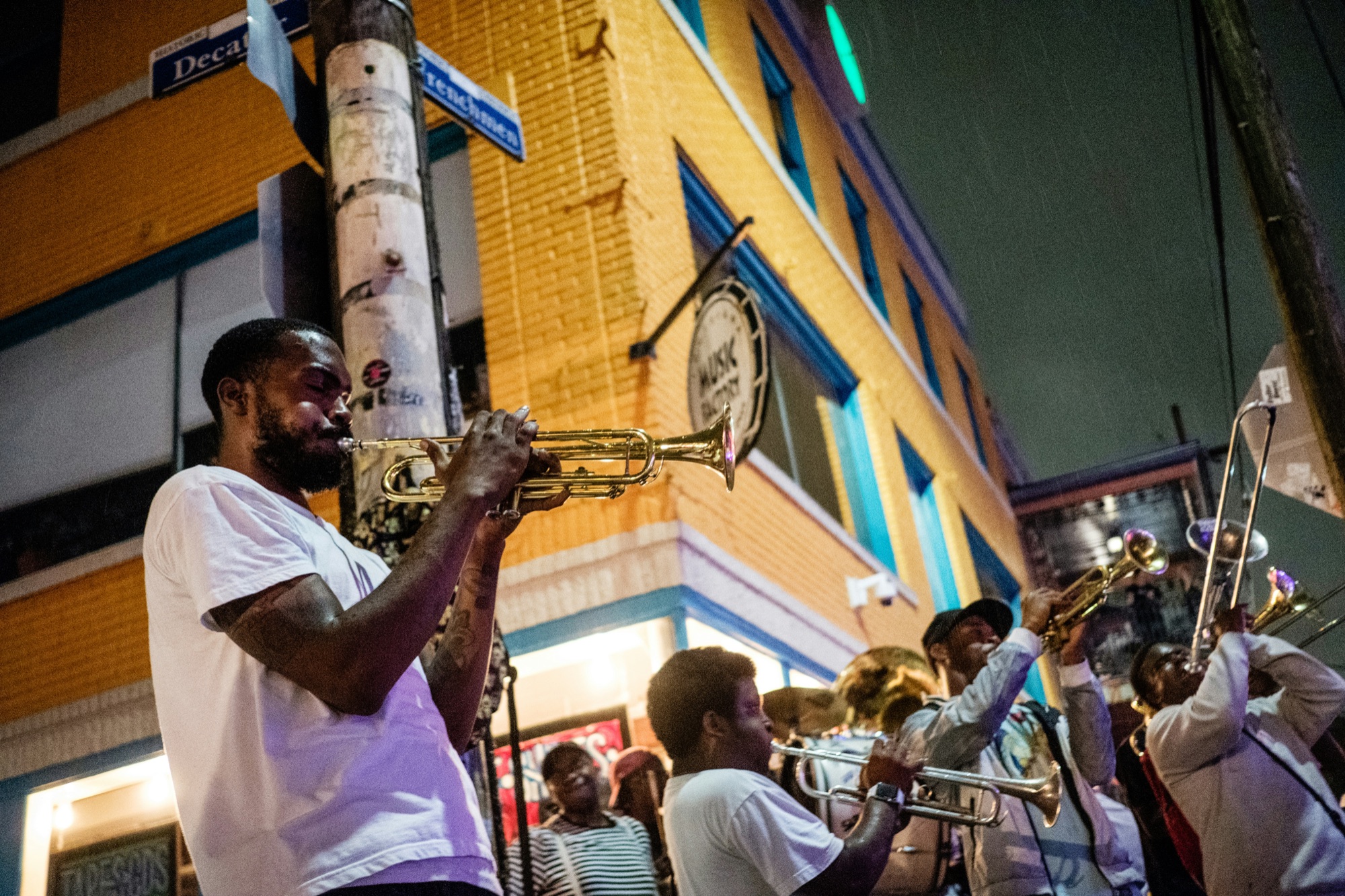
There is something faintly ridiculous about travelling thousands of miles to look at a recording studio.
You already have the records. You can listen to them in the kitchen. The building probably won’t explain how somebody managed to make a guitar sound quite like that.
And yet.
Put a familiar song back into a real place — a street, a neighbourhood, a room with surprisingly little space — and something changes. The names in the album credits begin to feel like people who went to work together. The music acquires surroundings.
Chicago, Memphis and New Orleans offer three different ways into that experience.
There are famous buildings, certainly. Enough museums to occupy a determined enthusiast. Plenty of opportunities to buy a T-shirt.
But there are also bands playing tonight.
The trick is to give the past its due without spending the whole holiday looking backwards.
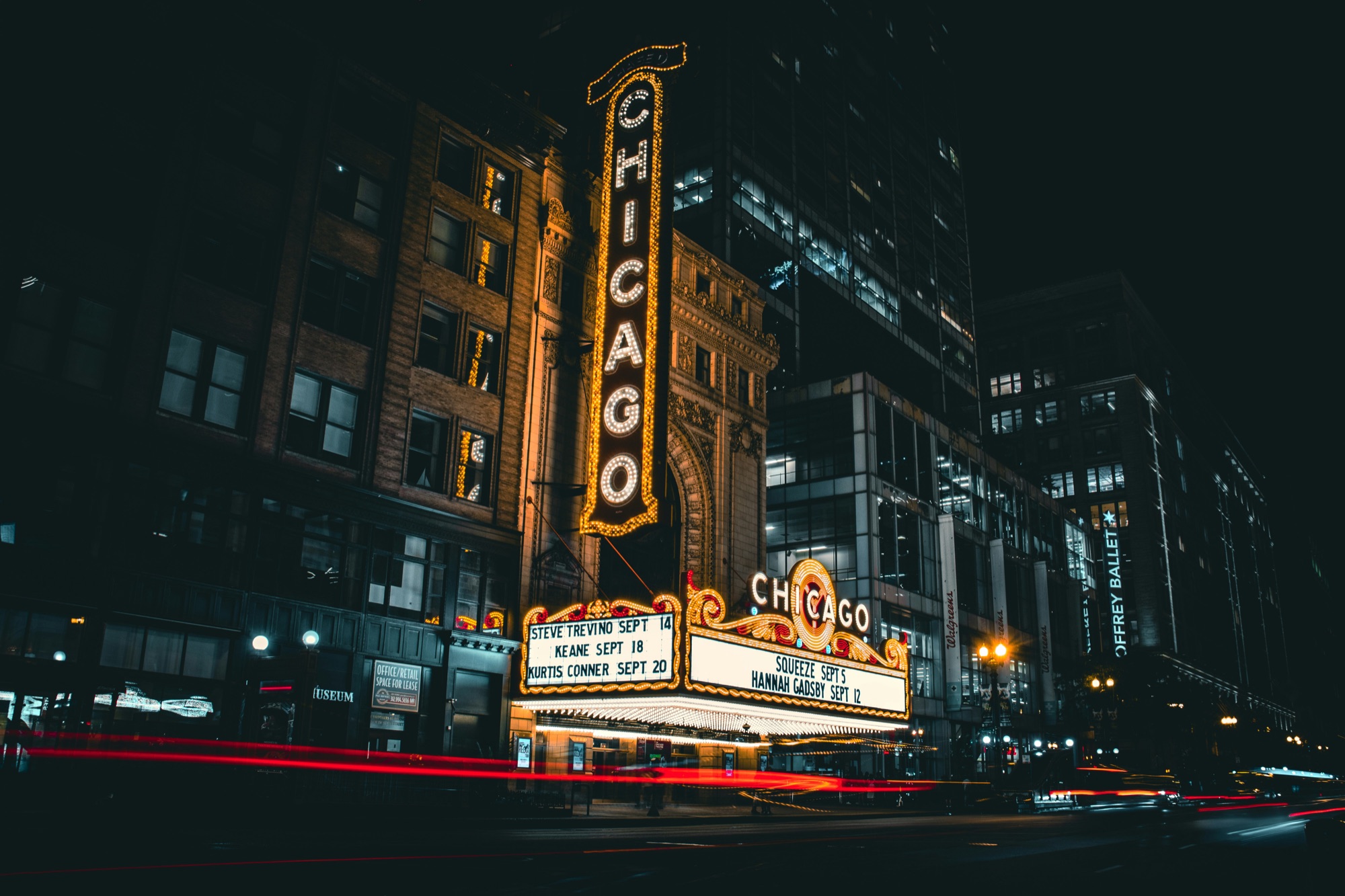
Chicago: Why the Rolling Stones Came Here
In June 1964, the Rolling Stones recorded at Chess Studios in Chicago.
Among the results was an instrumental called “2120 South Michigan Avenue”. They named a track after the address.
You don’t need to know much about recording history to recognise a certain level of enthusiasm there. The sessions also produced the material for their Five by Five EP. ABKCO’s account of the recordings supplies the details.
For anyone who knows the Stones better than Chicago blues, it is an excellent place to begin.
Then follow their interest a little further.
The building had been a creative home for Muddy Waters, Howlin’ Wolf, Willie Dixon and Chuck Berry. Many of the musicians associated with it were Black Americans who had moved north from the South during the Great Migration. This was music made by people building lives in a changing city. Chicago’s landmark history places those artists firmly at the centre of the story.
The Stones’ visit becomes more interesting when it sends you towards the people they admired.
Today, the former Chess building houses Willie Dixon’s Blues Heaven Foundation. Tours currently require a reservation and depend on availability, so this is one address to arrange before setting off across town. Check the foundation’s visitor information.
But leave an evening for music being made now.
Kingston Mines, in Lincoln Park, offers one possible introduction: two stages, alternating bands and an evening that can run considerably later than your body clock considers reasonable. Check its actual programme and opening nights when planning; old recommendations describing a venue’s schedule can linger online long after circumstances change. Kingston Mines publishes its current arrangements.
You don’t have to know the musicians beforehand. Listen to a little of their work, choose a night that appeals and give yourself permission to stay for more than the song you recognise.
Chicago also deserves daylight.
Leave room for the lakefront, its architecture and a meal that doesn’t have to be eaten quickly because another musical landmark is closing. A city this substantial should never feel like the interval between two blues clubs.
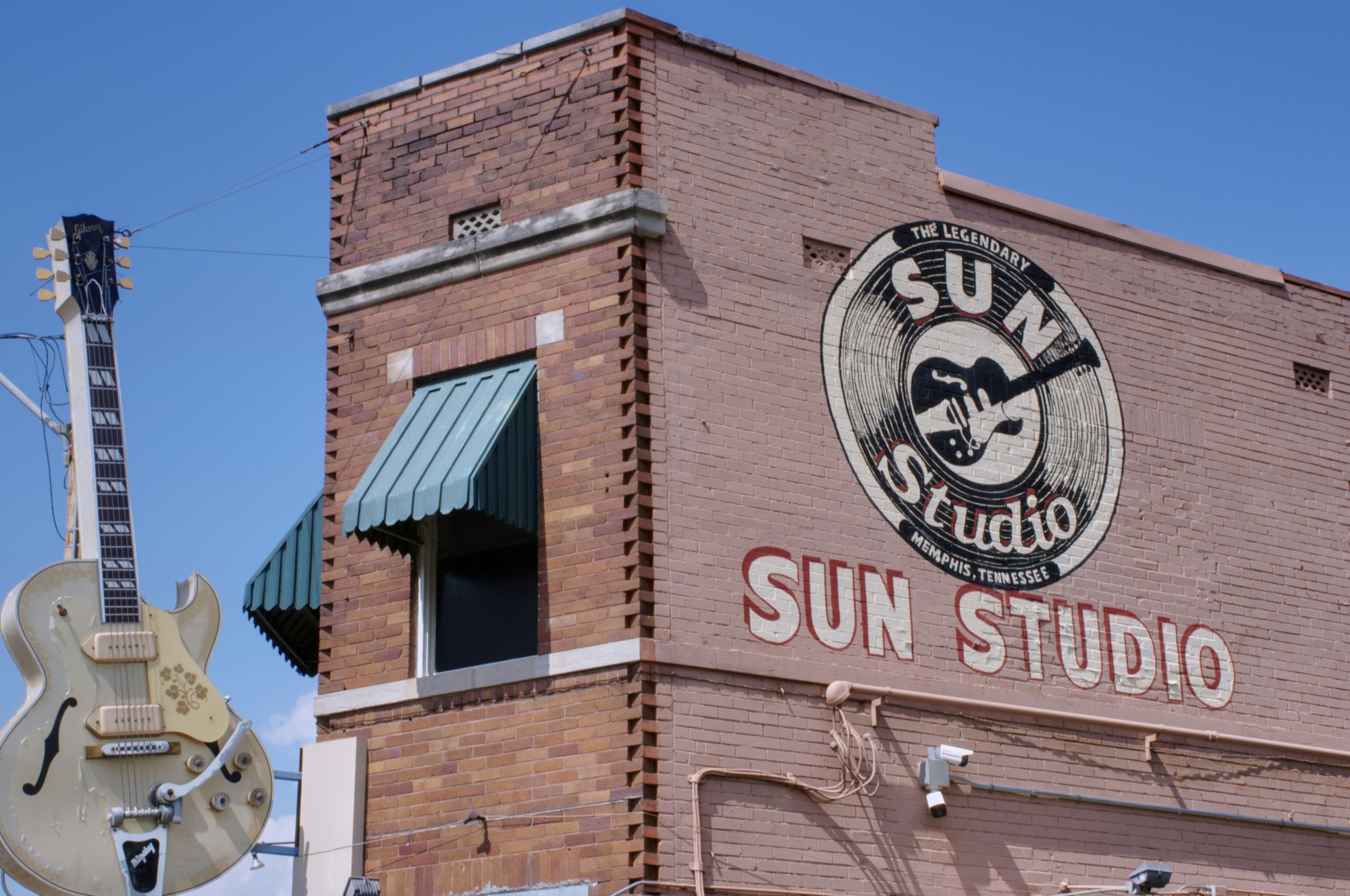
Memphis: Elvis Was Only the Beginning
There is no need to be embarrassed about wanting to visit Memphis because of Elvis.
For some people, Graceland is the reason for the entire journey. Perhaps his records were always playing at home. Perhaps a parent would have loved to go. Perhaps you simply want to see what life looked like when one person became that famous.
Those are perfectly good reasons to travel.
Graceland and Sun Studio offer different parts of the story, which is why visiting both can make sense.
At Graceland, you encounter the home: the living spaces, the kitchen, the television room, the famously exuberant Jungle Room. The mansion tour ends at the Meditation Garden, where Elvis and members of his family are buried. His private upstairs rooms remain closed to visitors. Graceland explains the mansion experience and its access arrangements.
Give it enough time to register. If this is somewhere you have wanted to visit for twenty years, squeezing it between breakfast and another timed attraction is an odd way to reward your patience.
Also look carefully at what your chosen ticket includes. Decide how much Elvis you want before deciding how much Elvis to buy.
Sun takes you towards the beginning.
Here, the appeal is the relationship between an unassuming working space and the enormous careers associated with it. Elvis is the immediate attraction, but the studio’s story also brings in Sam Phillips, B.B. King, Johnny Cash, Jerry Lee Lewis and Carl Perkins. The guided visit uses recordings and the room itself to make those connections tangible. Memphis Tourism’s Sun Studio guide gives an overview.
There is a useful practical distinction: Sun currently sells tour tickets on a first-come, first-served basis. Buying a voucher does not reserve a particular time. Allow some flexibility instead of building a day that collapses if you miss one departure. Sun’s current visitor information is worth checking shortly before travelling.
Then make space for Otis Redding.
At Stax, the Memphis story opens out into a different company of voices and musicians: Redding, Carla Thomas, Booker T. & the MG’s and others whose records established another extraordinary musical identity. The Stax Museum’s history traces those connections.
You may recognise more of the music than the names suggest.
The museum places that sound within a wider world. Its exhibits include a reassembled Mississippi Delta church and a recreation of Studio A, complete with the sloping floor inherited from the original converted cinema. This is a reconstructed studio, rather than a room left untouched since the records were made. The museum describes its collection here.
That distinction matters, but it needn’t diminish the visit. Understanding how the music was made can be more rewarding than simply standing somewhere old.
By evening, Beale Street offers another side of Memphis: neon, restaurants and clubs presenting blues, soul, jazz and rock ’n’ roll. The city’s guide outlines the district.
Yes, visitors go there. You are allowed to enjoy somewhere that other people have heard of.
The more useful question is what you want from the evening. A lively room and familiar songs? Somewhere to sit and listen closely? Dinner with music, or music with a late dinner afterwards?
Choose accordingly. A famous street cannot make that decision for you.
New Orleans: Beyond “What a Wonderful World”
Louis Armstrong gives almost everyone a way into New Orleans.
You might know the voice before the trumpet. You might have heard “What a Wonderful World” at a wedding, in a film or through somebody else’s record collection.
That recognition is enough to begin with.
Armstrong’s early life and musical development belonged to New Orleans, but his career carried him far beyond it. In 1922 he left to join his mentor, King Oliver, in Chicago — a connection that neatly unsettles the idea of these cities as three separate musical compartments. The Louis Armstrong House Museum tells the story of that move.
The music travelled because the musicians did.
New Orleans today deserves that same freedom from a fixed script. You can arrive with Armstrong in mind without expecting every performance to sound like a favourite recording.
Preservation Hall offers a focused encounter with traditional New Orleans jazz. Its current format is a ticketed, 45-minute performance, and the venue asks visitors to purchase online in advance. It welcomes all ages, which makes it a useful option for families as well as adults who would rather listen attentively than commit to a late club night. Check its current booking guidance.
That can be the centre of an evening. Allow time for dinner around it, rather than treating the performance as something to squeeze in while passing.
Frenchmen Street offers a different way to explore.
Its venues include Snug Harbor and the Spotted Cat, with a wider range of music than a single label can comfortably contain. Jazz, blues and other sounds share the district. Many clubs have age restrictions, and their individual programmes matter more than a general promise that Frenchmen Street is “where the music is”. New Orleans’ visitor guide is a useful starting point.
Pick one performance you particularly want to hear. Leave some space either side.
There is pleasure in discovering something unexpectedly, but an evening of endlessly checking the next doorway can become oddly unsatisfying. At some point, go in. Settle down. Let the musicians finish a set.
And remember that the people playing are at work. Pay the cover charge where there is one, tip where appropriate, and give a listening room the attention it asks of you.
Between evenings, let food and neighbourhoods set some of the pace. Have the long lunch. Walk without turning every corner into a hunt for another famous name.
You have come to experience a city. Its music will make more sense if you spend some time living around it.
Make It a Holiday You Both Want
Music trips can conceal a small domestic difficulty.
One person wants to examine every photograph in every studio. The other would quite like lunch.
Neither is wrong.
Chicago, Memphis and New Orleans work as a shared journey when the itinerary allows different interests to coexist. Architecture and lakeside time in Chicago. An Elvis visit given proper breathing space in Memphis. Food, wandering and a carefully chosen performance in New Orleans.
One substantial planned visit in a day is often a sensible starting point. Add more because you want to, rather than because the itinerary has developed an appetite of its own.
Make room for travelling between the cities, too. These are separate stays, with packing, transfers and check-ins. Even a relatively short flight uses more of a holiday day than the time printed beside it suggests.
Before fixing every afternoon, look at the evening programmes. The performance you most want to see may dictate which day makes sense for a museum.
And be honest about the kind of night you enjoy.
A seated early performance can be a better choice than a celebrated late-night club if you know you’ll be exhausted by ten. Choosing well is more valuable than collecting names.
Leave With a New Favourite
There is real pleasure in finally seeing somewhere you have imagined for years.
Graceland needn’t be any less moving because you expected it to matter. A Chicago address can be worth seeking out because a band put its name on a record. A familiar Armstrong song can send you towards a musical world you barely know.
But leave room for the unfamiliar.
A singer whose name you write down. A song you look up the following morning. A record you buy because somebody in a small venue made you want to hear more.
Those discoveries give the journey a life after you get home.
You might go because of Elvis.
You don’t have to leave listening only to him.
Fancy doing it?
Elenel’s Chicago, Memphis & New Orleans holiday brings the three cities together over twelve nights, with four nights in each and flights between them.
It provides room to explore the idea at your own pace. Attraction tickets and live performances can then be considered around what you most want to experience.
Explore the journey in Exceptional Holidays, or talk to Elenel about the music — and the places — you’d like to follow.